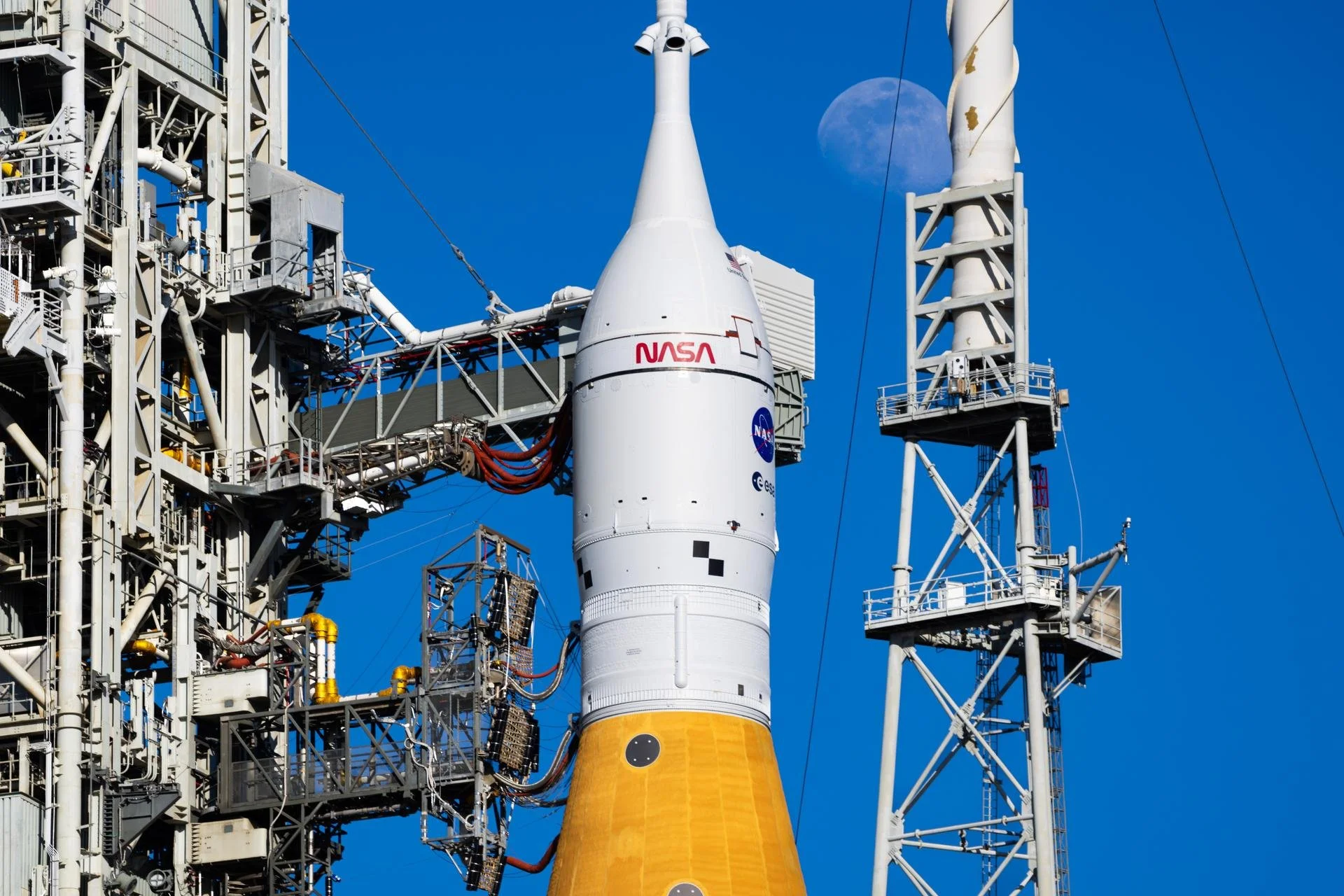
*The countdown is on for the first crewed lunar mission in more than half a century...launch is scheduled for this evening at 6:24 PM (ET)...weather is looking quite favorable*
Paul Dorian
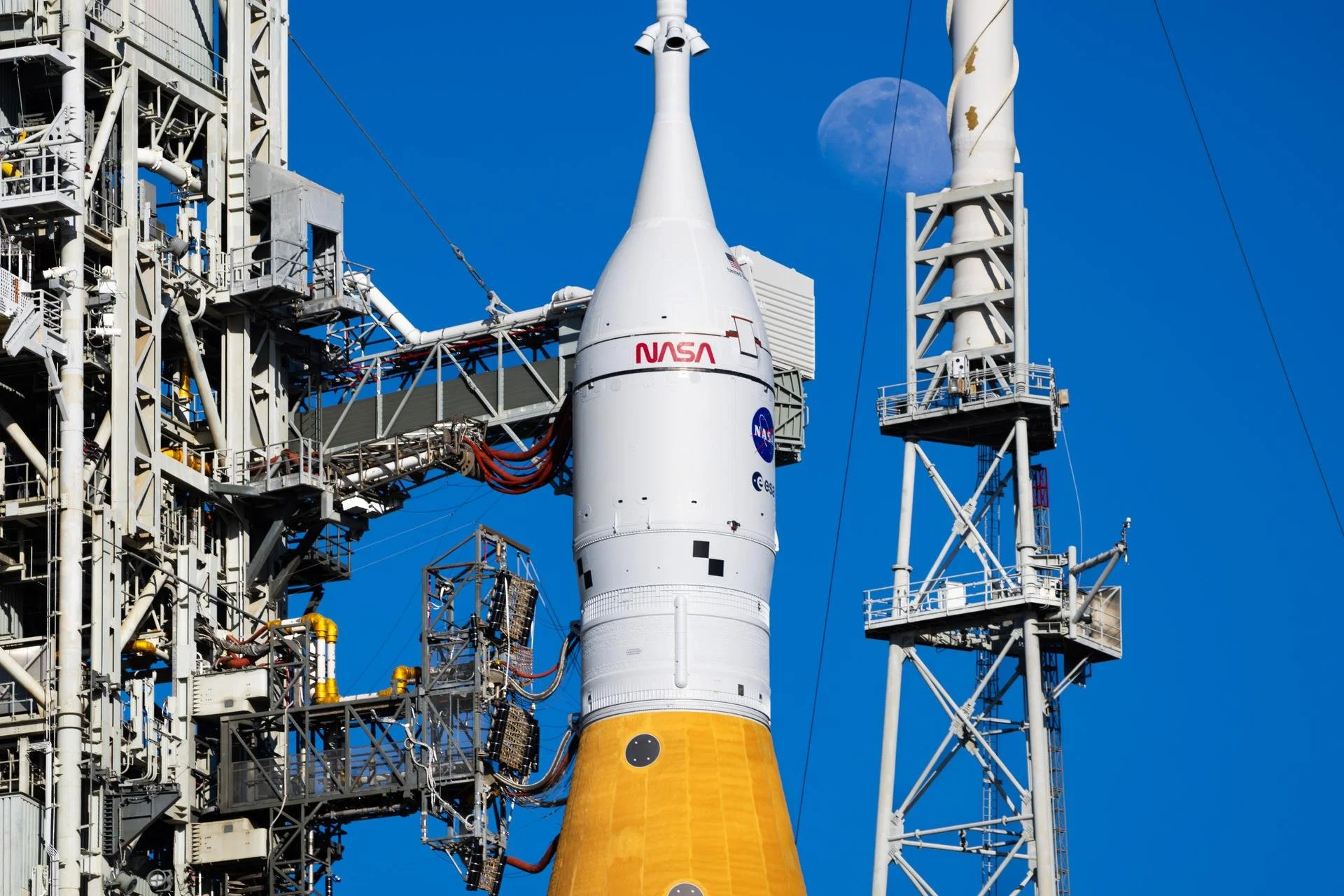
NASA’s Artemis II SLS (Space Launch System) rocket and Orion spacecraft are seen at Launch Complex 39B, at NASA’s Kennedy Space Center in Florida. The Artemis II test flight will take NASA astronauts Commander Reid Wiseman, Pilot Victor Glover, and Mission Specialist Christina Koch, and CSA (Canadian Space Agency) astronaut Mission Specialist Jeremy Hansen, on an approximately 10-day mission around the Moon and back to Earth. Credit NASA/Sam Lott
Overview
The weather looks good...the countdown is on...and NASA is set to launch four astronauts on a 10-day flight around the moon, marking the first such mission since the Apollo era. If the countdown continues without a hitch, an Artemis II rocket will launch a crew of four this evening with a 2-hour window of opportunity beginning at 6:24 pm (ET). The astronauts will not land on the moon this time but are scheduled to fly around the far side in a maneuver reminiscent of Apollo 8 in 1968.
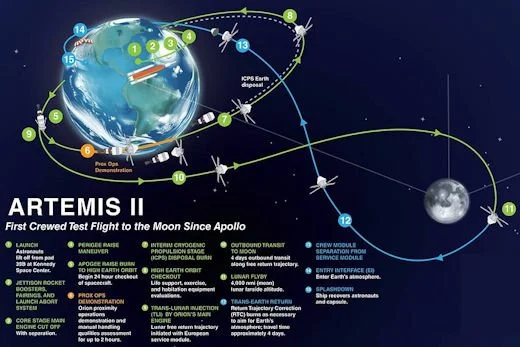
If all goes as planned, Artemis II will propel astronauts to the Moon for the first time since the Apollo era. This diagram shows 15 key stages of the flight (courtesy spaceweather.com, NASA).
Details
The weather appears to be quite favorable for a launch this evening of the Artemis II rocket from NASA’s Kennedy Space Center in Florida just one pad away from where the last moon-bound astronauts lifted off during the Apollo program more than half a century ago. The Artemis II crew includes NASA astronauts Christina Koch, Victor Glover and Reid Wiseman, and Canadian astronaut Jeremy Hansen. All crew members have been in a two-week quarantine leading up to the liftoff which can take place as early as 6:24 pm (ET) this evening. If the weather were to unexpectedly worsen by this evening, then the next launch attempt would come on April 6th according to NASA, and if that were to be scrubbed the following opportunity would have to wait until April 30th. The launch was originally scheduled for early February, but a hydrogen leak prompted NASA to roll the rocket back to its assembly building for scrutiny delaying the launch until now.
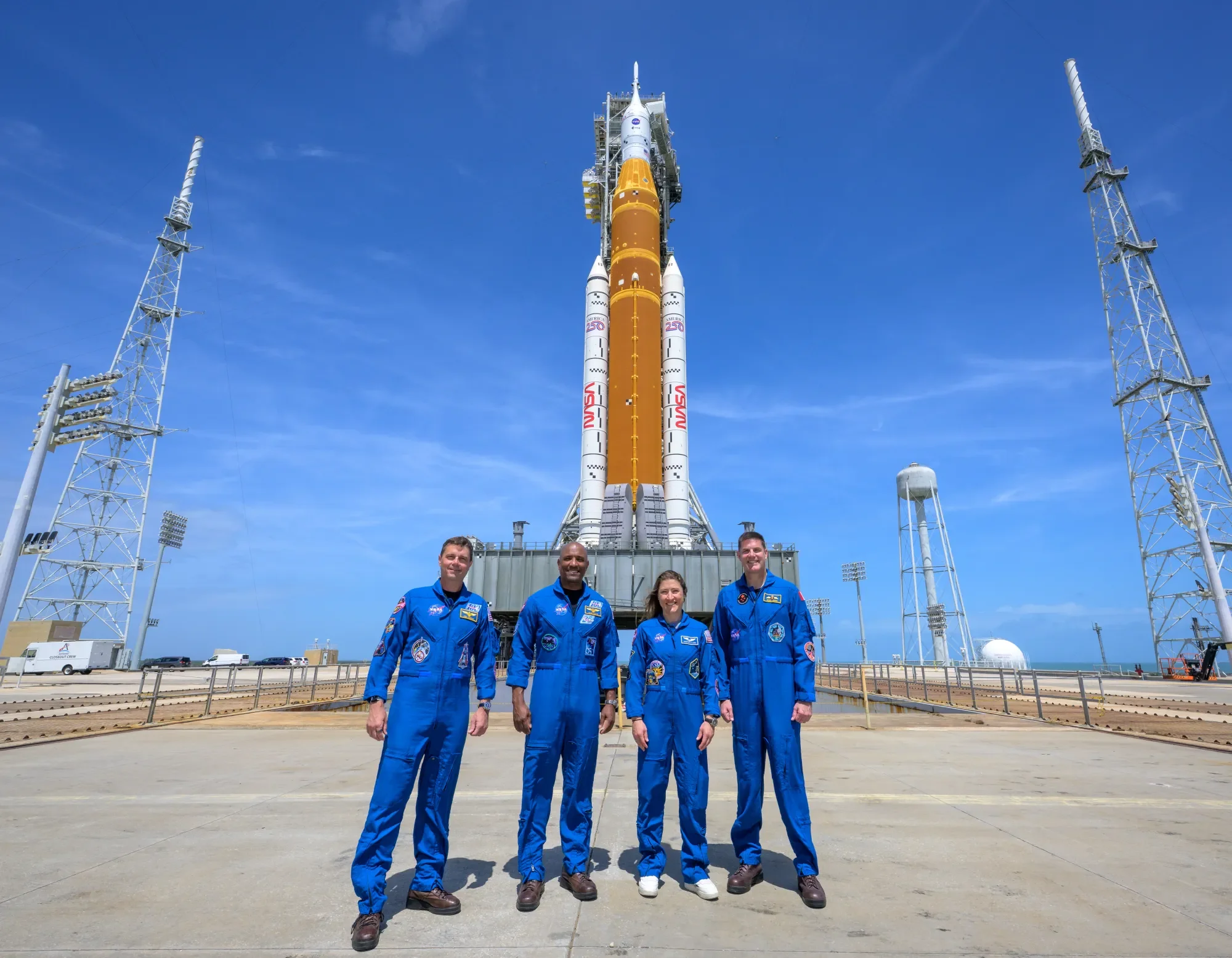
From left, NASA astronauts Reid Wiseman, Artemis II commander; Victor Glover, Artemis II pilot; Christina Koch, Artemis II mission specialist; and CSA (Canadian Space Agency) astronaut Jeremy Hansen, Artemis II mission specialist, stop for a group photograph as they visit NASA’s Artemis II SLS (Space Launch System) rocket and Orion spacecraft, Monday, March 30, 2026, at Launch Complex 39B of NASA’s Kennedy Space Center in Florida. Credit NASA/Bill Ingalls
The Artemis II astronauts will be the first humans to fly by the moon in more than 50 years and will serve as scientific ambassadors to our nearest neighbor. On the journey to the moon and back, the Orion capsule will fly by the far side of the moon — the side that always faces away from Earth. During this three-hour period, astronauts will analyze and photograph geologic features, such as impact craters and ancient lava flows. They will rely on the extensive geology training they received in the classroom and in moon-like places on Earth to describe nuances in shapes, textures, and colors — the type of information that reveals the geologic history of an area. These skills will be critical to exploring the moon’s South Pole region through future missions.
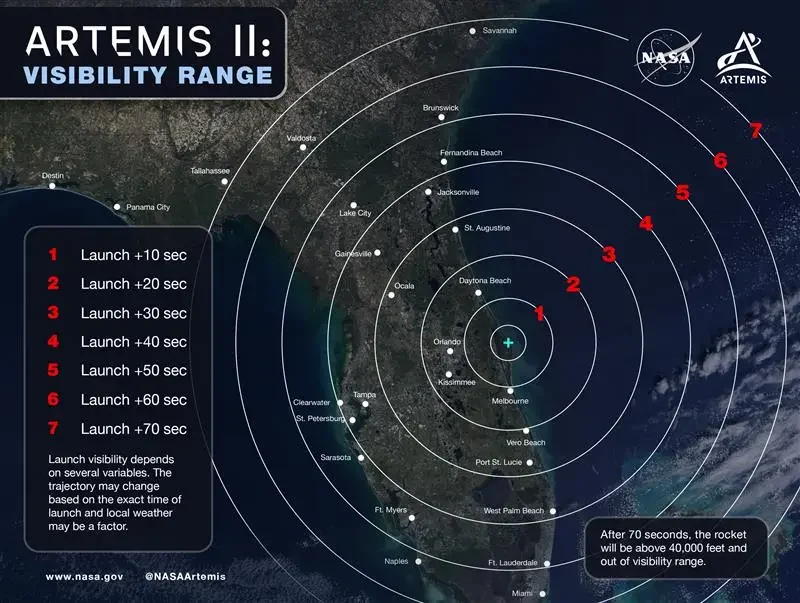
This map shows where the Artemis II launch will be visible to sky watchers in Florida and southern Georgia. Credit NASA
Amateur astronomers may be able to see the Orion crew capsule traveling to and from the moon. The first three days outbound and the last two days inbound are the windows of opportunity for backyard telescope viewing. During those times, the crew capsule will range in magnitude from +10 to +15 -- not very bright, but detectable. Click here for further information (courtesy spaceweather.com) on viewing the Orion capsule, and watch NASA’s YouTube channel all day today for a live look at the preparation and the launch.
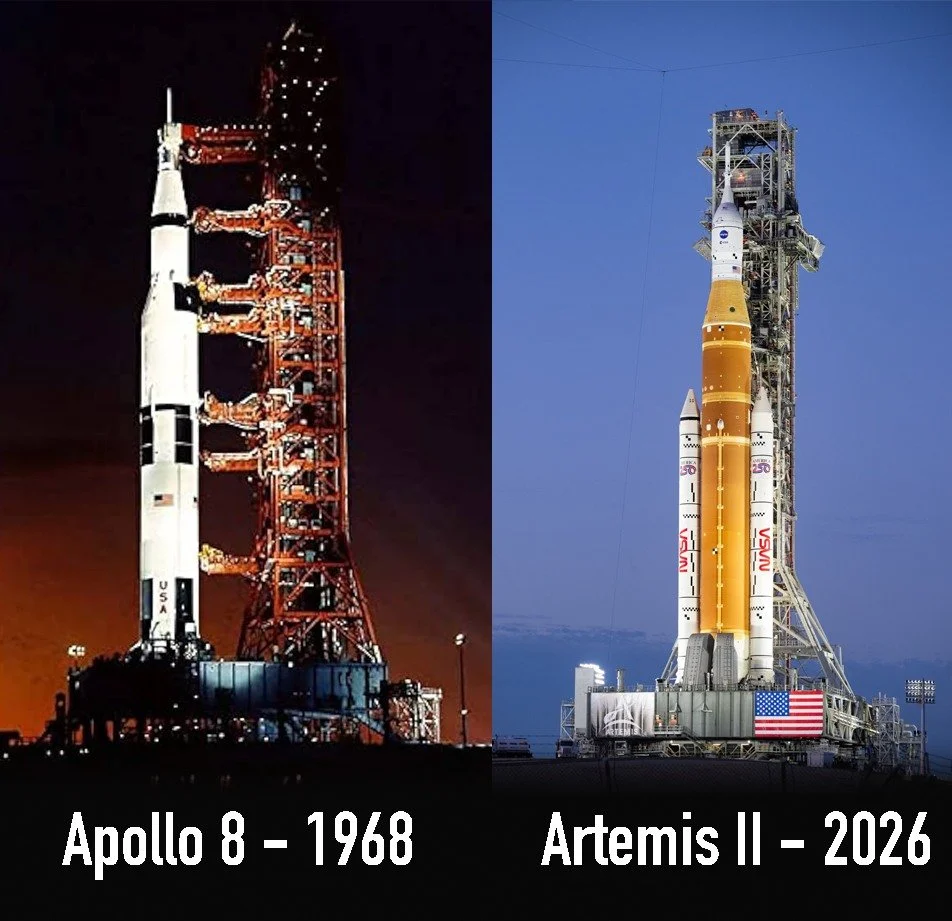
It has been more than fifty years since NASA launched a similar lunar mission as this one that is sceduled to begin this evening. Credit NASA
Meteorologist Paul Dorian
Arcfield
arcfieldweather.com